
New leader, inherited team: what gets decided in the first 60 days
When you take over a team, the first weeks seem quiet. People are polite, meetings run, nobody challenges anything. Behind the quiet, everyone is doing the same thing: looking at you and trying to work out what has changed.
If no explicit conversations take place, the team writes its own answers, from small signals: who you call first, which email gets answered within ten minutes, what question you ask at the first meeting. In 60 days, habits settle that you will then find hard to change.
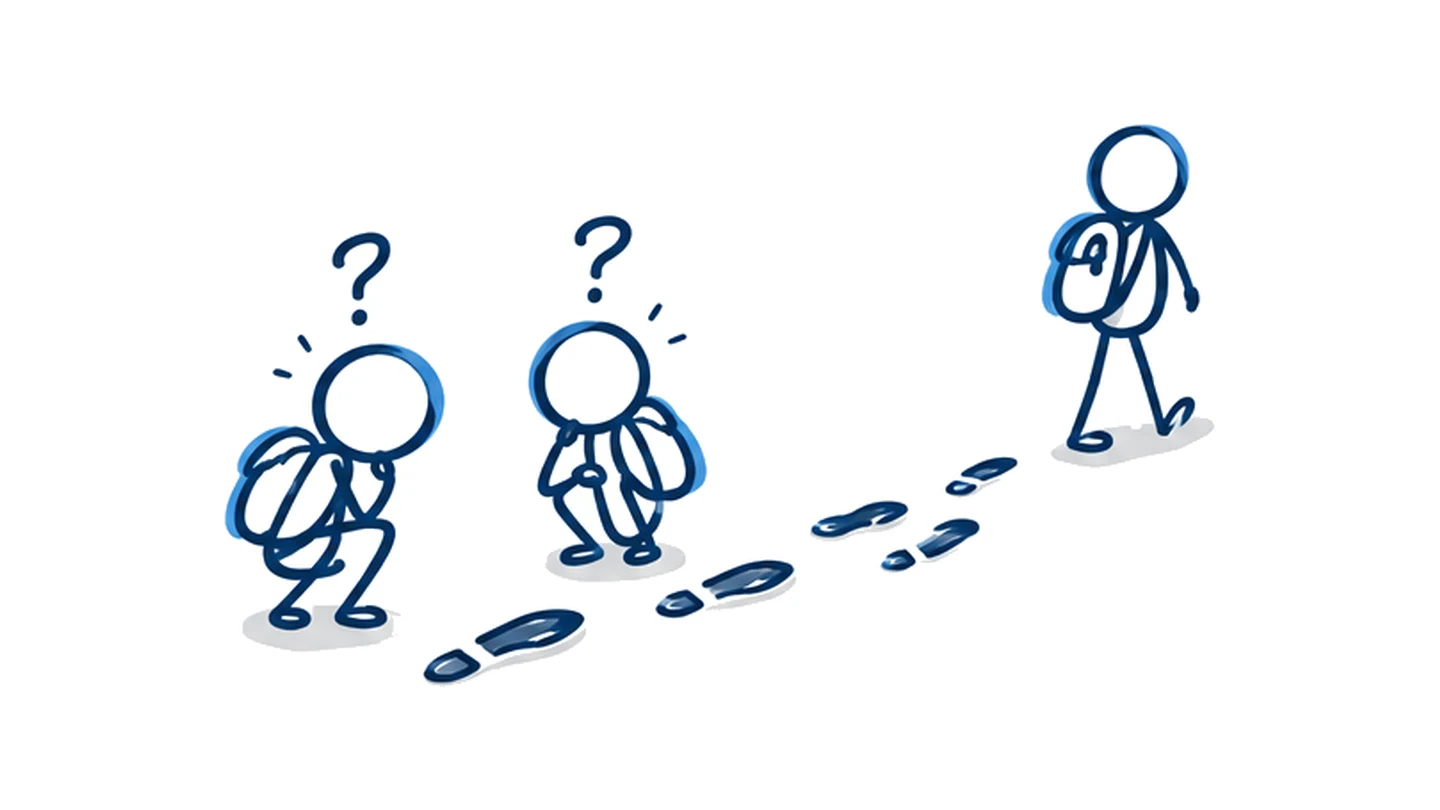
What the team wants to find out about you
Nobody asks out loud, but four questions hang in the air from day one:
- What stays and what changes. What the previous manager built and what you intend to undo.
- How you decide. Alone, after consultation or together, and on which topics.
- What happens with bad news. Who tells you first and how you react.
- Who is in your circle. If you brought people with you or have an older relationship with someone on the team, the rest of the team notices from the first day.
You can answer them explicitly, in the first weeks, or you can leave them to signals. In the second case, the team draws conclusions anyway, only you no longer control them.
Three frequent mistakes
You change before you listen
The pressure to show results quickly pushes you to come with a plan in the first month. The team reads it as a verdict on the work done until then. Even if the plan is good, the people who built what you are changing will defend the old version.
You only have one-to-one conversations
Individual discussions are necessary. If they are the only ones, each person leaves them with their own version of what you want. After a month, ten versions of your expectations circulate through the team, contradicting one another, and nobody has ever put them side by side.

You let the rules settle on their own
The rhythm of meetings, the channel for asking for help, what "urgent" means. If you don't set them together with the team, they get set anyway, from what you do in the first weeks. The only difference is that nobody chose them.
A plan for the first 60 days
weeks 1-3You listen
Individual conversations with everyone, based on the same five questions: what is going well and should be kept, what gets in your way in day-to-day work, what should I know that nobody has told me, what do you expect from me, how do you like to receive feedback. The same questions for everyone make the answers comparable and show the team you have no favourites from the first week.
weeks 3-4You say what you heard
Before any plan, you tell the team, briefly, what you heard: the themes that repeated, without names. It is the first proof that you listened and, often, the first moment when the team hears itself.
weeks 4-8The agreements session
Half a day or a day in which the team puts four things on paper: why the team exists, what people expect from each other and from you, how decisions are made and how you work day to day. The team writes the agreements, with you in the room, as a member.
The review
One hour with the team: which agreements held, which were too ambitious, what you change. An agreement that nobody reopens becomes, by spring, a forgotten document in a shared folder.
One page about you
Many teams use a simple exercise at the start: the leader writes a page about how they work. What matters to them, how they prefer to hear bad news, what annoys them for reasons that have nothing to do with anyone, where they know they get it wrong. The page doesn't replace the conversation, but it shortens months of guessing. And it gives people permission to tell you when you are doing exactly the thing you wrote that you do.
When the team is made from two
The hardest version: two teams put together after a reorganisation, with a leader coming from one of them. Each side has its own way of working, which it considers normal. The other side expects to lose.
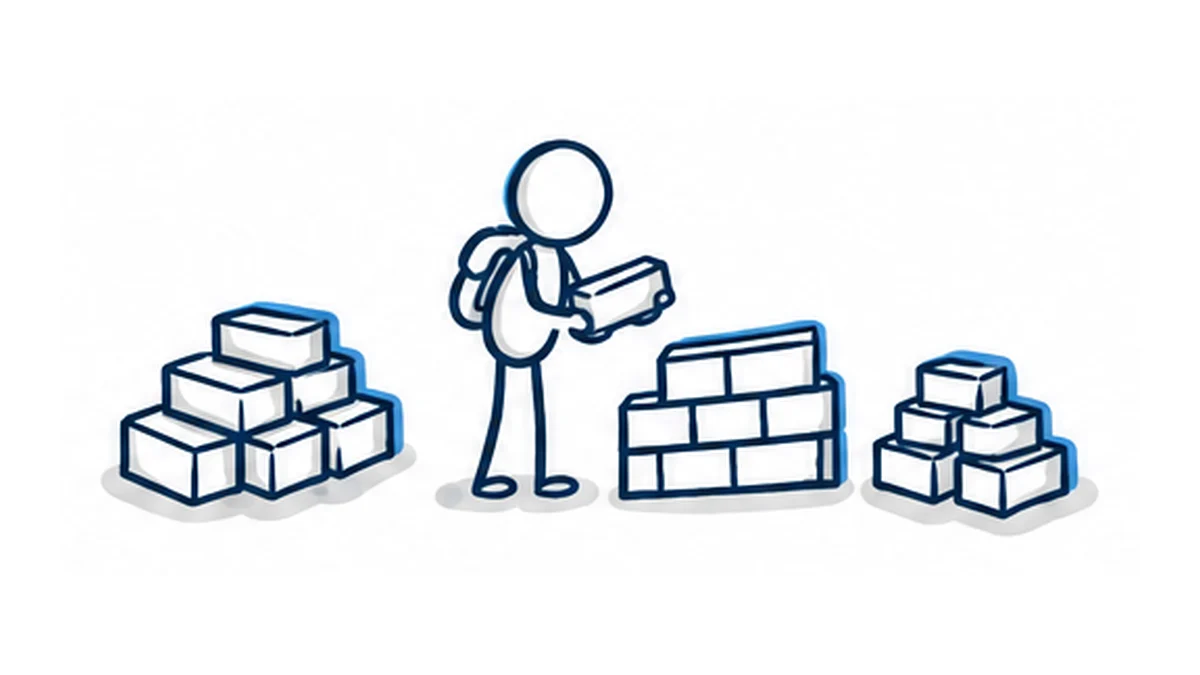
Here the agreements session becomes a comparison. You put both ways of working on the table, with what works in each, and the new team chooses what to keep. Nothing wins automatically because "that's how we did it". The leader, especially if they come from one of the teams, needs someone here to hold the process from outside.
For the decisions part
Of the four agreements, the one about decisions produces the most tension later. The Decision Types Map is a free kit, with a canvas and two guides, that you can use on your own with the team, before or after the agreements session.
A new team, a new leader or two teams merged?
We facilitate the agreements session in the first 60 days, with the leader in the room as a member of the team, and return at 30 days to see what has held. Half a day or a day, live, online or hybrid.
See how we work with new teams